A skills-first approach to developing and retaining your people
By Sharon Kennedy · Published 30 June 2026
6 min read
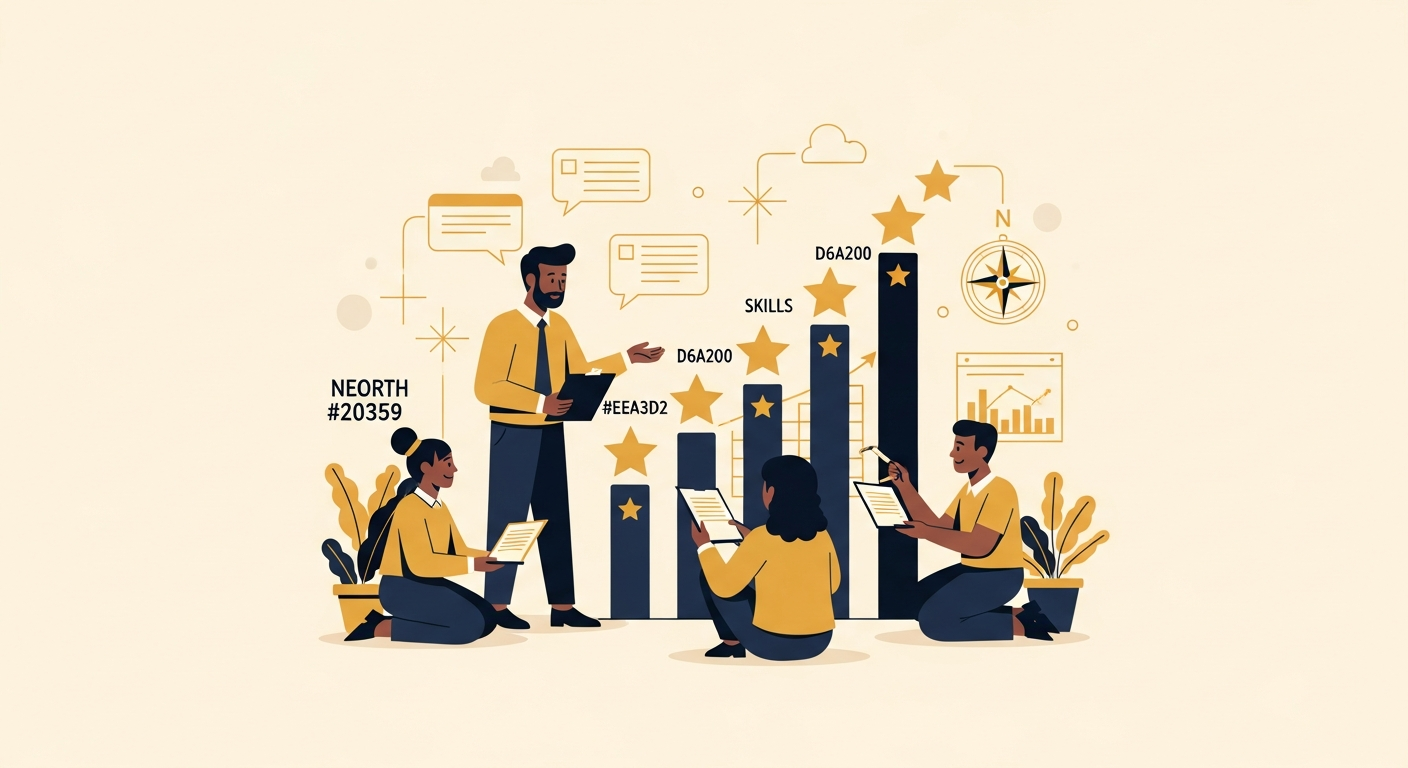
For decades, the default way to judge talent was the CV: the degree, the job titles, the brand names. It's an easy filter — and an unreliable one. It screens out capable people who took a different route, it rewards polish over ability, and it tells you very little about whether someone can actually do the work in front of them. A skills-first approach starts from a different question: not where has this person been, but what can they do, and how fast can they grow?
Organisations that make this shift tend to find two things at once: a wider, more diverse pool of capable people, and better retention, because people who are developing stay. Here's how to put it into practice.
1. Define roles by the skills they actually need
Before you can hire or develop for skills, you have to know which ones matter. Strip a role back to what it genuinely requires — including the essential, transferable skills that decide whether someone thrives. The Skills Builder Universal Framework 2.0 names eight that apply across nearly every job: Listening, Speaking, Problem Solving, Creativity, Adapting, Planning, Leadership, and Teamwork. Being explicit about which of these a role leans on — and at what level — turns vague job adverts into something you can actually assess and develop against.
2. Assess what people can do, not just what they've done
Once you know the skills, test for them. Work samples, structured tasks, and behaviour-based questions reveal ability far better than a credential or a smooth interview manner. Because the eight essential skills build in clear stages from foundation to advanced, you can assess where someone is now and pinpoint their next step — rather than making a yes/no guess. This also levels the field for capable people whose strengths don't show up on a traditional CV.
3. Make development specific and visible
"We invest in our people" means nothing without a concrete plan. Skills-first development gives you one: for each person, which skills are they building, what's the next stage, and what experience or coaching gets them there? When growth is visible — when someone can see they've moved from one stage of Problem Solving or Leadership to the next — it motivates in a way that a generic training day never will. People stay where they can see themselves getting better.
4. Build a neuroinclusive culture as standard
A skills-first approach only delivers if people can actually use their skills at work. For neurodivergent employees especially, the environment can be the difference between thriving and struggling — and around one in seven people is neurodivergent. Clear communication in more than one form, flexibility in how work gets done, judging output rather than presentation, and a habit of asking people what helps them work well: these aren't perks, they're how you get the best from the talent you've worked to develop. Making work ready for every mind protects the investment you've made in your people.
5. Retain by growing, not just by paying
Pay matters, but it's rarely the main reason good people leave — feeling stuck is. The organisations that hold on to talent are the ones where development is continuous: regular coaching, honest feedback, real stretch, and a visible path forward. A skills-first lens makes that path concrete and consistent, from someone's first day to a senior role, using the same language and evidence base throughout. That continuity — same skills, same growth conversation, all the way up — is what turns a job into a career someone chooses to build with you.
Credentials tell you where someone has been. Skills tell you what they can do and how far they can go. Define roles by skills, assess for them honestly, develop them on purpose, and build a culture where every mind can use them — and you'll find you not only hire better, you keep the people worth keeping.