People, systems, behaviours: the three levers of workplace performance
By Sharon Kennedy · Published 10 July 2026
6 min read
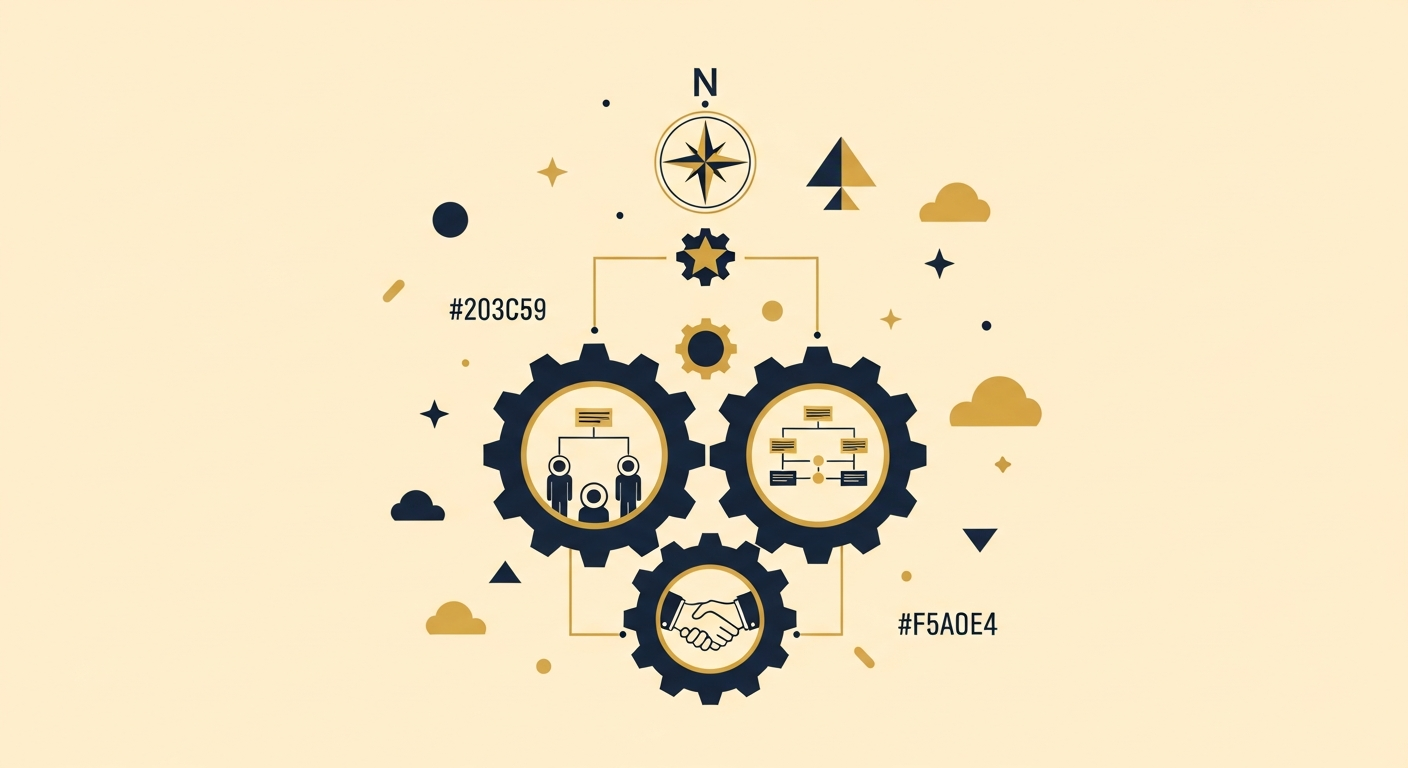
When performance dips, most organisations reach for the same lever: the person. Performance plans, extra training, sometimes an exit. But performance is never produced by people alone — it's produced by people working inside systems that shape their behaviour. Pull only the people lever and you'll keep replacing individuals while the underlying problem stays exactly where it was, quietly generating the next "underperformer".
The organisations that improve durably treat performance as three levers pulled together: the right people in the right roles, systems that make good work possible, and behaviours — especially management behaviours — that people actually experience day to day. Here's how to work each one.
People: fit is a performance variable
Start with an honest question: is this person in a role that matches their strengths? A capable person in the wrong role looks identical to an incapable person — until you move them. Strengths-based evidence changes the diagnosis. When you know someone's STAR profile and their GEMS — Gifts, Energy Sources, Motivators, Skills in Demand — you can see whether the problem is ability or alignment. Getting this right starts at hiring: find candidates who belong in the role, and the people lever mostly takes care of itself. Where there's a genuine skills gap, the eight essential skills — Listening, Speaking, Problem Solving, Creativity, Adapting, Planning, Leadership, and Teamwork — are learnable and measurable, which turns "underperformance" into a development plan with a direction.
Systems: the invisible producer of behaviour
Systems are the conditions people work inside: how work is allocated, how communication happens, how progress is judged, what gets rewarded. Most "attitude problems" are system problems wearing a name badge. A brilliant hire drowning in ambiguity, interrupted every twenty minutes, judged on visibility rather than output, will underperform — and so would their replacement. A neuroinclusive lens is one of the fastest ways to find these faults, because people who process information differently hit systemic friction first. Fix what's blocking them — unclear briefs, inaccessible processes, meetings as the only route to influence — and you've usually fixed something that was quietly costing everyone.
Behaviours: the manager multiplier
The behaviours that shape performance most aren't in the values poster — they're in the daily habits of managers: whether feedback is specific or vague, whether questions are welcomed or punished, whether commitments are kept, whether difference is accommodated or merely tolerated. The manager–employee relationship is the strongest single influence on engagement, and engagement moves retention, discretionary effort and customer experience with it. Psychological safety — people feeling able to speak up, ask, admit and challenge — is built or destroyed here, one interaction at a time. Behaviours can be measured, developed and coached like any skill; treating them as fixed personality is how organisations stay stuck.
Diagnose before you prescribe
Next time performance disappoints, run the three-lever check before acting. Is this a people problem (wrong fit, missing skill), a systems problem (conditions that would defeat anyone), or a behaviours problem (management habits and team dynamics)? The evidence usually points somewhere specific — and it's frequently not where the performance plan was about to go. Employers using the North★STAR approach get instruments for all three: strengths-based matching for people, the ACAS-aligned Neuroinclusion Maturity Index for systems, and anonymous employee feedback that triangulates what the workplace actually feels like — so the diagnosis rests on evidence rather than assumption.
Move all three together
The levers reinforce each other. Better-matched people make systems easier to improve, better systems make good behaviour cheaper, and better behaviours keep well-matched people from leaving. That's the real business case: build a workplace where every mind belongs, and quality of hire, time-to-productivity, engagement and retention move together — because they were never separate problems to begin with.