Building a neuroinclusive early-careers programme
By Sharon Kennedy · Published 30 June 2026
6 min read
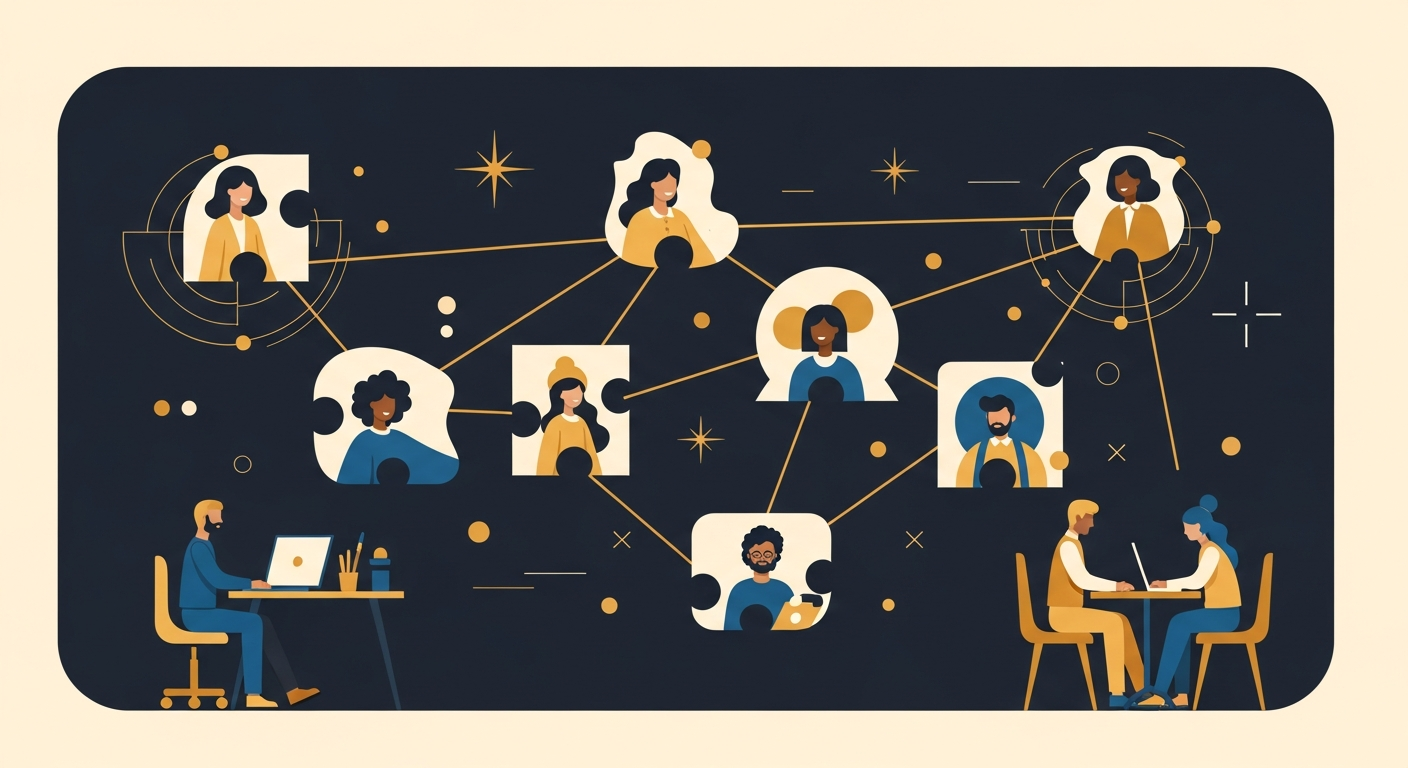
Around one in seven people is neurodivergent — autistic, ADHD, dyslexic, dyspraxic and more. Among young people entering the workforce, that proportion is rising as diagnosis improves and stigma fades. Yet traditional early-careers programmes, from the application form to the assessment centre to the open-plan first day, are often built in a way that quietly disadvantages exactly the capable people who think differently. The result is wasted talent — and a pipeline narrower than it needs to be.
Building neuroinclusion in from the start isn't a compliance exercise or a nice-to-have. It widens your pool of early talent, gets better work from every hire, and prepares your organisation for a generation that increasingly expects it. And because good neuroinclusive design removes friction for everyone, the whole intake benefits. Here's how to build it in.
1. Redesign attraction and assessment
Most barriers appear before anyone is hired. Long, ambiguous application forms, timed online tests in noisy conditions, and interviews that reward quick social performance all filter out capable neurodivergent candidates for reasons unrelated to the job. Strip job adverts back to the skills that genuinely matter. Share interview questions in advance. Offer work samples and trial tasks instead of relying on a single high-pressure interview. Make reasonable adjustments easy to request and routine to grant. You'll get a truer read of ability — from every candidate.
2. Build the eight essential skills in stages
A strong early-careers programme develops skills deliberately rather than hoping they appear. The Skills Builder Universal Framework 2.0 sets out eight essential skills — Listening, Speaking, Problem Solving, Creativity, Adapting, Planning, Leadership, and Teamwork — that build in stages from foundation to advanced. That staged structure is what makes a programme genuinely inclusive: it meets each person where they are and gives a clear next step, rather than assuming everyone starts in the same place or learns at the same pace. A hire who finds one skill harder isn't lacking it — they need it built in smaller, secure steps.
3. Get onboarding and environment right
The first weeks set the tone. Make the hidden curriculum explicit: how to ask for help, who does what, what's expected day to day, when an instruction is literal. Offer information in more than one form. Pay attention to the sensory environment — a quiet space to focus, control over noise and light, predictable routines. Many of the things that help neurodivergent starters settle, like clear written guidance and calm conditions, help every new hire find their feet faster.
4. Equip managers to lead inclusively
A neuroinclusive programme lives or dies by the line manager. Equip them to communicate clearly in writing and speech, to give specific feedback, to focus on outcomes rather than presentation, and to ask each person what helps them do their best work — without making anyone disclose more than they choose. Managers who lead this way don't just support neurodivergent team members; they get more from everyone. This is what making work ready for people looks like in daily practice.
5. Measure, validate and improve
What gets measured gets better. Track how your programme performs across the journey — who applies, who's offered roles, who thrives, who stays — and look honestly for where capable people drop out. Triangulate your own view with the experience of the people in the programme; self-assessment alone tends to flatter. A structured approach to measuring neuroinclusion maturity, and acting on what it shows, turns good intentions into year-on-year improvement and gives you evidence you can stand behind.
A neuroinclusive early-careers programme isn't a separate scheme bolted on the side. It's a better-designed programme, full stop — one that opens the door wider, develops skills in a way that works for every mind, and gets the most from the talent you've gone to the trouble of hiring. Build it in from the start, and you build a pipeline where every mind belongs.